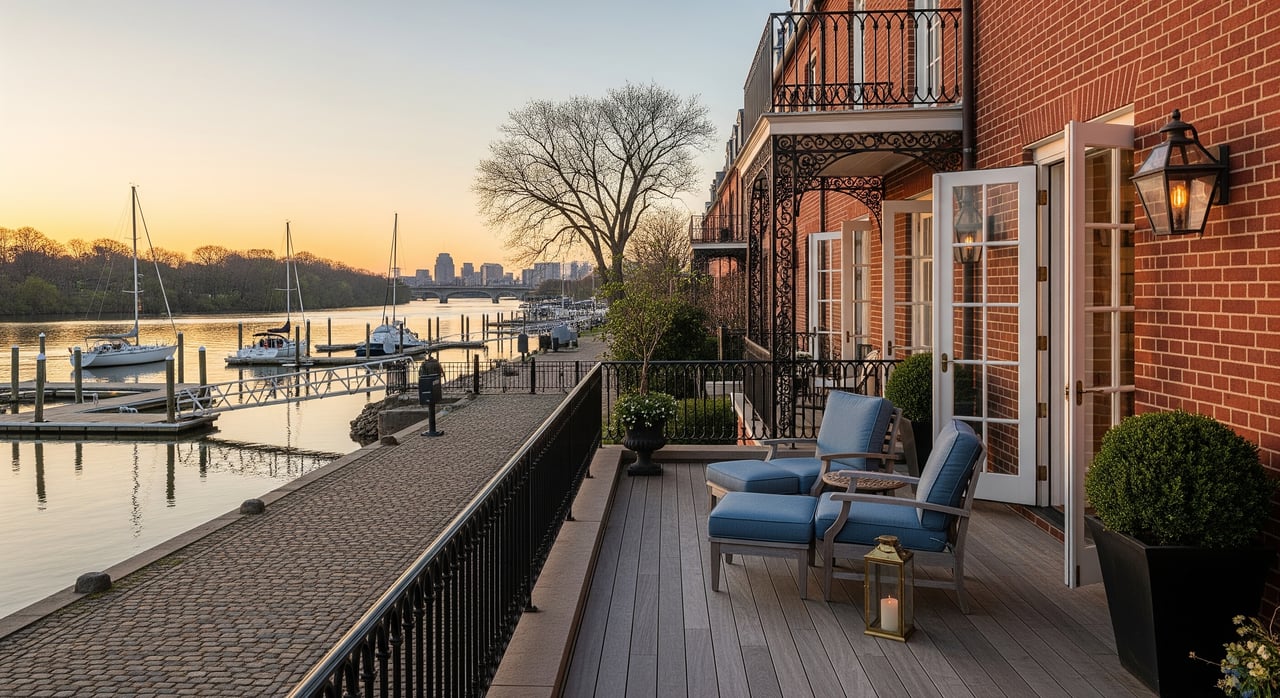
Imagine stepping outside to the sound of gulls and river breezes, then strolling a few blocks for coffee before an easy walk along the Potomac. If you love historic streets, water views, and a truly walkable lifestyle, Old Town’s waterfront can feel like a dream. At the same time, it comes with tradeoffs like tourist traffic, parking rules, and seasonal crowds. In this guide, you’ll learn what daily life looks like, how you get around, what homes are available, and the key details to know before you buy. Let’s dive in.
Daily rhythm on the waterfront
Morning routines
Mornings are calm and local. You’ll see joggers and dog‑walkers along the public promenade, plus neighbors heading to cafés along King Street. Sunrise over the river is a favorite, especially in Founders Park, Waterfront Park, Oronoco Bay Park, and Windmill Hill Park. It is a refreshing start before the day’s busier hours.
Midday energy
By late morning and lunchtime, King Street shops and restaurants fill in with both residents and visitors. Many errands are walkable, and you can browse boutiques or grab lunch without getting in a car. For a creative break, the Torpedo Factory Art Center offers artist studios, exhibits, and hands‑on experiences right on the waterfront.
Evenings out
As the sun sets, you have your pick of river views and outdoor seating along the waterfront and nearby blocks. Evenings feel lively around the promenade and King Street. If you prefer quiet, side streets with historic rowhomes a few blocks inland tend to be more relaxed at night.
Parks, art, and river life
One of the biggest perks of living here is your access to the water and public green spaces. You can picnic on the lawn at Oronoco Bay Park, catch temporary public art at Waterfront Park, or set up a casual game in Founders Park. Windmill Hill Park offers wide views and room to stretch out.
If you like the arts, the Torpedo Factory Art Center is a community anchor with studios, galleries, and rotating programming. You’ll also find historic sites, museums, and walking tours throughout Old Town’s grid of 18th and 19th century streets.
When the weather is warm, the waterfront becomes a hub for boating and water activities. Seasonal sightseeing cruises and water taxis run from the marina, and kayaking or paddleboarding are popular on calmer days. Weekend calendars often include markets and pop‑up events in the spring through fall.
Getting around and commuting
Walkability
Old Town’s waterfront neighborhood is highly walkable. Daily dining, parks, arts, and many errands are within a short stroll for most addresses near the river. Your exact walking time depends on where you live, but the area is built for moving around on foot.
Transit options
- Metrorail: The King Street–Old Town Metro station on the Blue and Yellow lines is the main rail hub for residents. From the waterfront, it is a walk of several blocks, depending on your starting point.
- Bus and local circulator: DASH buses connect Old Town with nearby neighborhoods and Metro stations. Seasonal trolleys may operate along King Street for visitors.
- Water transit: Seasonal water taxi and sightseeing services run from the waterfront to points along the Potomac. Schedules vary by operator and time of year.
Driving and parking
Parking in the historic core is regulated and can be tight at peak times. The City of Alexandria offers residential permit programs, metered street parking, and municipal garages. Many residents near the river rely on a mix of walking, permits, and garage arrangements. Traffic can be congested during rush hours and busy tourist weekends, so plan ahead for popular events.
Housing near the waterfront
Home types
You will find a classic Old Town mix near the water. Historic brick rowhouses and townhomes line the interior blocks. Closer to the river, there are low to mid‑rise condominiums, some in converted historic warehouse buildings. A few newer mid‑rise communities offer modern amenities and river views.
Ownership and fees
Ownership options include fee simple rowhouses and townhomes, as well as condominiums and rental apartments. Waterfront or near‑waterfront condos may have higher monthly fees to support building amenities and flood‑resilience maintenance. Marina access and private boat slips are typically managed separately from residential buildings, so you will want to confirm availability and costs if boating is part of your lifestyle.
Historic preservation
Much of Old Town falls within a local historic district. If you plan to renovate, exterior changes often require review and approval. The City of Alexandria provides guidelines and processes for preservation. It is wise to understand what is permitted before you budget or design.
Practical considerations
Flood zones and insurance
Parts of the waterfront are in mapped FEMA flood zones and can experience tidal flooding or stormwater events. Before you buy, confirm a property’s elevation, zone designation, and whether flood insurance is required by your lender. City floodplain maps and FEMA resources are the primary references for risk and coverage.
Noise and crowds
Tourist activity concentrates along the promenade and King Street. Foot traffic increases during spring through fall, especially on weekends and evenings. If you prefer quieter surroundings, visit prospective homes at different times of day and on different days of the week to get a realistic sense of sound and activity.
Services and safety
The City provides routine municipal services such as trash, snow removal, and emergency response. On the water, river safety involves multiple agencies and posted rules for boaters and recreational users. If you plan to spend time on the water, review local guidelines and seasonal conditions.
Seasonal shifts
Spring and summer
This is the high season for the waterfront. Expect more outdoor dining, boat traffic, and weekend events. Warm evenings often bring concerts, markets, and riverfront strolls. It is energetic and social, with more visitors in town.
Fall
Fall tends to be a favorite for locals. The weather is comfortable, arts programming continues, and weekends are often a bit calmer than in peak summer. You still get robust event options and pleasant park time.
Winter
Winter is quieter overall. Holiday lights and select seasonal events create festive spikes, but day‑to‑day foot traffic dips. Some outdoor seating is reduced, and the river atmosphere shifts to cool, crisp walks and museum visits.
Is waterfront life right for you?
If you want a walkable routine, parks at your doorstep, and a front‑row seat to Alexandria’s arts and events, living near the waterfront delivers. You will balance that with parking rules, periodic crowds, and practical items like historic guidelines and flood insurance. The good news is that with the right guidance, you can find the home and block that match your lifestyle.
If you are ready to explore homes near the water, tours and tailored searches make a big difference. For local insight, neighborhood tours, and a clear plan that covers preservation rules, parking options, HOA details, and flood considerations, connect with Adrianna Vallario for one‑on‑one guidance.
FAQs
How noisy and crowded is the Old Town waterfront on weekends?
- Expect higher pedestrian volumes and more activity along the promenade and King Street during spring through fall, especially on weekend afternoons and evenings.
How far is the walk from the waterfront to the King Street Metro?
- It is a walk of several blocks from most waterfront addresses, with exact time depending on your specific location and pace.
Are grocery stores and daily errands walkable from the waterfront?
- Many dining options, shops, and convenience needs cluster along King Street and nearby blocks, and residents often rely on a mix of local options and delivery.
Will I need flood insurance near the Old Town waterfront?
- Portions of the area are in FEMA flood zones; confirm a property’s designation, elevation, and lender requirements to determine if flood insurance is needed.
What housing types are available by the waterfront?
- You will find historic rowhouses and townhomes, low to mid‑rise condos including converted buildings, and a handful of newer mid‑rise communities with modern amenities.
How does resident parking work in Old Town?
- The City uses residential permits for on‑street parking in many blocks, meters for visitors, and municipal garages; availability varies by address and time of day.
Can I keep a boat at the Old Town marina?
- Private slips and marina services are limited and typically managed separately from residential buildings; confirm current availability and fees with the marina operator.
What are the transit options if I do not drive?
- Walkability is strong, DASH buses connect key points, the Blue and Yellow lines run from King Street–Old Town, and seasonal water taxis operate along the Potomac.
What changes seasonally along the waterfront?
- Spring and summer bring peak crowds, outdoor dining, and events; fall is an active but calmer shoulder season; winter is quieter with festive holiday moments.
Are there rules for renovating historic homes in Old Town?
- Yes, exterior changes in historic districts typically require review; check City of Alexandria preservation guidelines early in your planning.