Thinking about a move to Fort Hunt and wondering how it all works from across the river or across the country? You want tree-lined streets, parks by the Potomac, and a reasonable path into DC. You also need clear answers on commutes, housing types, costs, and how to buy from a distance or during a PCS. This guide gives you a local’s view of Fort Hunt plus a practical relocation playbook so you can plan with confidence. Let’s dive in.
Fort Hunt at a glance
Fort Hunt sits along the Potomac River in Fairfax County, just south of Old Town Alexandria and north of Mount Vernon. It grew in the mid 20th century and today reads as a low-density, single-family neighborhood with a relaxed suburban feel. Many residents report average one-way commutes in the low 30 minutes, and telework participation trends higher than the national average, which helps many hybrid professionals plan their week. You can explore local commute snapshots and demographics through the American Community Survey profiles for the 22308 ZIP code via Census Reporter.
You will find small commercial nodes, swim and recreation associations, and community events that make day-to-day life easy. The neighborhood tends to attract DC professionals and military families who want a quieter setting without giving up regional access. If you prefer streets with mature trees, yards, and parks nearby, Fort Hunt delivers that rhythm.
Parks, trails, and weekend escapes
Fort Hunt’s outdoor life is a major draw. Fort Hunt Park sits at the neighborhood’s edge with a loop road, historic batteries, group picnic areas, and open fields. The National Park Service manages reservations and facilities, and you can check details and plan ahead on their site.
For cycling and running, the Mount Vernon Trail parallels the George Washington Memorial Parkway and offers river views plus direct access to Old Town Alexandria and Mount Vernon. It is also a scenic option for part of a bike commute when the weather cooperates. Nearby Dyke Marsh and Belle Haven Park add birding, boardwalks, and water views to your weekend list.
Cultural and historic destinations are close too. George Washington’s estate at Mount Vernon anchors the southern end of the corridor and shapes many weekend outings. It is one of those places you tend to revisit with out-of-town guests and during school breaks.
Getting around day to day
Driving basics and typical times
Fort Hunt’s primary northbound route is the George Washington Memorial Parkway. It is scenic and stress-reducing off-peak, yet it slows during rush hour. As a planning range, expect roughly 20 to 30 minutes off-peak to Old Town Alexandria and 30 to 60 minutes or more during peak to the Pentagon or downtown DC, depending on your exact start and end points. Local ACS data show many residents have average one-way times in the low 30 minutes, but your door-to-door trip will vary by departure window.
I-495 and Richmond Highway (US-1) also come into play based on destination and time of day. If a specific commute is mission-critical, test it in your typical window before you buy. Many clients do a few dry runs or share live navigation screenshots to compare real-world times.
Metro and bus connections
The nearest heavy-rail station is Huntington on the WMATA Yellow Line. Many residents use a bus-to-Metro commute, driving or biking to Huntington, or a bus into Old Town to connect with other routes. The Fairfax Connector runs multiple lines in the corridor, including Route 101 and Route 152, which link Fort Hunt and Mount Vernon to Huntington Metro and Old Town. You can review routes and schedules on the Fairfax Connector page.
If you value transit, plan your transfer points and headways in advance. A bus-plus-rail strategy can be very workable once you learn the timing, and it gives you a back-up option on high-traffic days.
Homes and neighborhoods you will see
Architecture and neighborhood feel
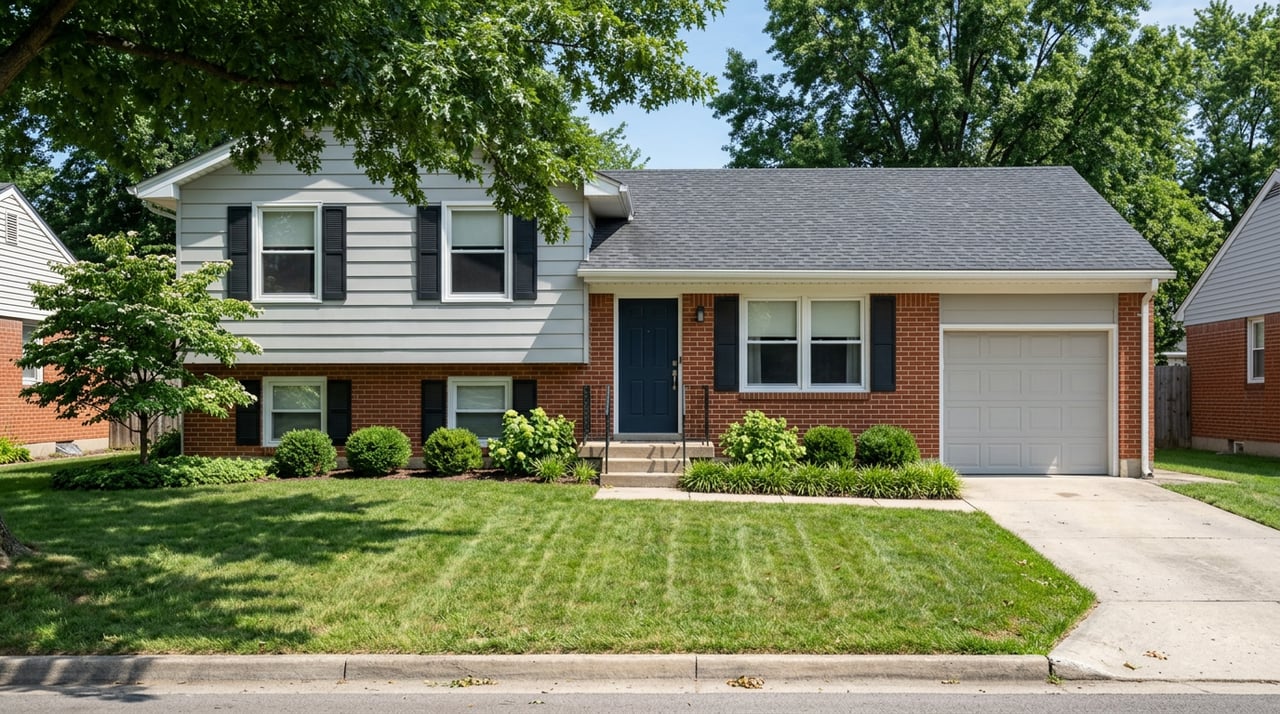
Most of Fort Hunt’s housing stock dates to the 1950s and 1960s, so you will see classic colonials, ranches, and split-levels on leafy lots. Nearby pockets, like Hollin Hills, are known for mid-century modern architecture and have their own preservation rules. Many homes have been thoughtfully renovated, and some older structures have made way for new construction. For a deeper look at the area’s mid-century roots, the Washington Post offers a helpful overview of Fort Hunt’s housing history and character (Washington Post).
Pricing and pace of the market
Inventory in Fort Hunt tends to be limited because it is an established, mostly single-family area. Pricing varies with lot size, renovation level, and proximity to the river or parkland. Recent aggregator snapshots in late 2025 to early 2026 place Fort Hunt home values around the million-dollar mark, with month-to-month fluctuation and small sample sizes. For the most accurate picture, have your agent pull hyperlocal comps and track new listings as they hit.
Property taxes and carrying costs
Fairfax County publishes the adopted real estate tax rate for each budget cycle. You can review the current rate and assessment details on the county’s Real Estate Tax Rates page. To estimate the bill, multiply your home’s assessed value by the posted rate, then divide by 100. For illustration, every $1.00 in tax rate per $100 of assessed value equals $10,000 of annual tax on a $1,000,000 assessment. Substitute the county’s actual posted rate to get your number and remember to account for any applicable district or service fees.
Relocating from out of state or on orders
Moving from a distance takes a tighter process. Use this checklist to reduce surprises and keep momentum.
Verify the address-level details early. Use the Fairfax County Public Schools boundary tools to confirm school assignments for a specific address and save the result, since boundaries can change. Here is the FCPS boundary locator. Also do a door-to-door test of your commute window if possible.
Hire a hyperlocal agent with relocation experience. A strong Fort Hunt advisor will curate on-target listings, record video walk-throughs, pull targeted comps, and surface off-market intel. When you cannot be here, they coordinate in-person showings through a trusted co-agent and keep your timeline moving.
Insist on on-site inspections, even if your tour is virtual. Use an experienced local inspector, and add specialists for older systems or waterfront-adjacent features as needed. Many buyers join the inspection by video call while the inspector is on site. Virtual tours help you shortlist, but they do not replace an in-person inspection.
Plan for remote or hybrid closings in Virginia. The Commonwealth permits electronic notarial acts, including remote online notarization, under Title 47.1 of the Virginia Code. That means many transactions can close without you being physically present if your lender and title company support a digital or hybrid e-closing. Review the statute here and confirm acceptance with your closing team: Virginia Code Title 47.1.
Confirm e-recording with your title company. Many Northern Virginia recording offices accept electronic submissions through e-recording vendors, though certain document types may still require originals. Your title team will manage this, but you can read a regional legal summary for context: Ballard Spahr on e-recording in the DC region.
Protect against wire fraud and document scams. Before sending any funds, verify wiring instructions by phone using contact info you obtained from the title company in a prior call. Do not rely on emailed instructions alone. Use multi-factor verification, keep records of all confirmations, and when in doubt, pause and verify with your agent and title officer.
Military PCS notes. Start early on household goods scheduling and installation support. You can find PCS checklists and relocation guidance through Military OneSource. Compare your BAH to local rent and own costs to decide on on-post versus off-post housing, and plan for interim housing if on-base waitlists are long. A local agent can coordinate short-term options and target homes with your timeline in mind.
After contract, line up logistics. Arrange remote key pickup or lockbox access, schedule utilities and internet, and plan for vehicle registration and licensing with the Virginia DMV. Your agent or title company can help with local vendor referrals for cleaning, lawn care, pest service, and handyman items so you arrive to a ready home.
First 30 days: settle in smoothly
Make a simple checklist for your first month so you can enjoy the neighborhood faster. Prioritize utilities, internet, trash and recycling set-up, and any immediate safety items like locks and smoke detectors. Add local essentials such as grocery, pharmacy, dry cleaning, and pet care near Hollin Hall or along the Fort Hunt corridor. Plan a weekend loop at Fort Hunt Park and a family ride on the Mount Vernon Trail to get your bearings.
If you are arriving with school-age children, confirm enrollment steps with FCPS and the school’s front office. For commuters, test alternate routes and the bus-to-Metro connection once or twice to learn your best back-up options.
Ready to explore homes or build a relocation plan tailored to your needs? Connect with Adrianna Vallario for hyperlocal guidance, curated tours, and hands-on coordination that makes your Fort Hunt move smoother from start to keys.
FAQs
Is Fort Hunt a good fit for hybrid workers relocating to DC?
- Yes. Many residents report average commutes in the low 30 minutes and telework participation trends higher than the national average, which supports flexible schedules. See ACS snapshots via Census Reporter.
How do I commute from Fort Hunt to the Pentagon?
- Drive the George Washington Memorial Parkway or US-1 based on traffic, or use a bus-to-Metro plan via Huntington on the Yellow Line. Check Fairfax Connector routes for Route 101 or 152 into Huntington or Old Town.
What kinds of homes will I find in Fort Hunt?
- Mostly single-family homes from the 1950s and 1960s, including colonials, ranches, and split-levels, with many renovations and some new builds. See the Washington Post’s overview of Fort Hunt’s mid-century character (article).
Can I buy a Fort Hunt home without visiting in person?
- Often yes. Virginia allows remote online notarization, and many lenders support hybrid or fully digital closings. Your agent can run virtual tours, coordinate on-site inspections, and manage e-closing logistics. Review Virginia’s RON statute and confirm with your lender and title team.
How do Fairfax County property taxes work for Fort Hunt homes?
- The county sets a tax rate per $100 of assessed value. Check the posted rate on the Fairfax County tax page, then multiply your assessment by the rate and divide by 100 to estimate annual taxes.