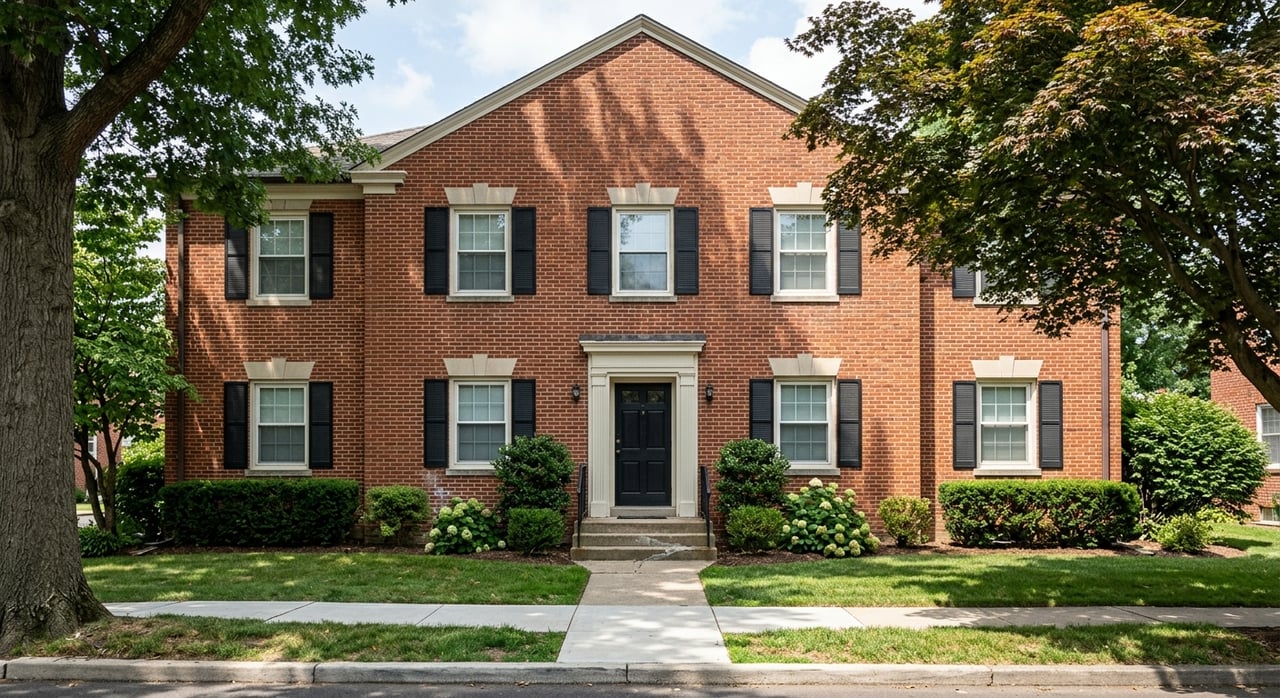
If you are trying to picture Jefferson Park before you tour a home or put one on the market, the streets can feel a little hard to decode at first. This is one of those Alexandria neighborhoods where the setting matters just as much as the house itself, with rolling terrain, mature trees, and a mix of home styles that changes from block to block. In this guide, you will get a clear look at what Jefferson Park feels like, which home styles you are most likely to see, and how the neighborhood’s streets shape daily life. Let’s dive in.
Jefferson Park at a glance
Jefferson Park sits within Alexandria’s North Ridge area, a part of the city known for stable residential streets and a landscape shaped by rolling topography and major roads. According to the City’s historic preservation plan, the large homes and adjacent land along Russell, Braddock, and King Streets give this area a distinct visual character. That setting still helps define Jefferson Park today.
A past Washington Post profile described Jefferson Park as a close-in neighborhood with a strong sense of variety, anchored by streets such as Mansion Drive. That description still helps explain why the area feels different from more uniform neighborhoods nearby. You are not looking at a one-style subdivision here. You are looking at a neighborhood with layers.
Home styles in Jefferson Park
Jefferson Park is best known for detached homes, and the architecture reflects that. The most visible house types are traditional Colonials, Capes, and a smaller number of Spanish-style ranches, along with larger custom brick and stone homes noted in the Washington Post neighborhood profile.
That mix gives buyers and sellers a useful clue about the area. In Jefferson Park, curb appeal is often tied to both the home itself and how it sits on the lot. Some houses read as classic and compact, while others feel more expansive and estate-like.
Colonial homes
Colonials are among the most recognizable styles in Jefferson Park. These homes often bring the symmetry and traditional appearance many Alexandria buyers expect, especially in established neighborhoods with detached housing.
If you are shopping here, Colonial homes may appeal to you for their familiar layouts and timeless street presence. If you are selling one, the style tends to fit naturally with the neighborhood’s long-standing visual character.
Cape homes
Cape-style homes add another layer to Jefferson Park’s housing mix. These homes often contribute to the neighborhood’s varied, lived-in feel rather than making every street look the same.
For buyers, Capes can offer a more modest exterior footprint while still sitting in a neighborhood known for larger lots and mature landscaping. For sellers, that contrast can help your home stand out depending on the block and surrounding homes.
Spanish-style ranches
Jefferson Park also includes a few Spanish-style ranches, which is part of what makes the neighborhood memorable. They are not the dominant style, but their presence adds architectural variety that you do not always find in Alexandria’s more uniform residential pockets.
When a neighborhood includes uncommon styles like these, it often creates a more eclectic visual rhythm from one street to the next. That can be especially appealing if you want a home with a little more personality.
Custom brick and stone homes
Some of Jefferson Park’s larger homes lean more custom in scale and appearance, particularly in brick and stone construction. These homes reinforce the area’s reputation for substantial detached residences and contribute to the more stately feel found on certain streets.
This matters if you are comparing Jefferson Park to nearby neighborhoods with smaller attached housing or more consistent mid-century planning. Here, the housing stock can feel more individually shaped by lot, topography, and street frontage.
Streets that define the neighborhood
In Jefferson Park, certain streets do more than provide an address. They help tell the story of the neighborhood.
Mansion Drive
Mansion Drive is one of the best-known streets in Jefferson Park. The Washington Post noted that it contains some of the neighborhood’s stateliest residences, which helps explain why the street is often associated with the area’s most prominent homes.
If you drive this stretch, you will likely notice the stronger sense of scale and presence. It is one of the clearest examples of how Jefferson Park can feel both tucked away and architecturally substantial at the same time.
Russell Road, Braddock Road, and King Street
The City’s historic preservation materials point to the large homes and land along Russell, Braddock, and King Streets as a defining visual quality of North Ridge. In practical terms, these roads help frame Jefferson Park’s identity.
They also remind you that this is not an isolated enclave. Jefferson Park has a residential feel, but it is still connected to key Alexandria corridors that shape access and movement through the area.
Hume Avenue and Mount Ida area
The neighborhood’s park spaces and greenways add another layer to the street experience around Hume Avenue and Mount Ida. Mount Jefferson Park & Greenway at 301 Hume Avenue includes benches, a fenced dog area, a playground, and walking and running trails.
The nearby Mount Ida Greenway is listed as a wooded walking trail, and St. Asaph Park is located at 221 East Mount Ida Avenue. Together, these spaces reinforce the neighborhood’s leafy, residential feel.
The tree canopy shapes the feel
One of Jefferson Park’s most defining features is its mature tree cover. The Washington Post profile highlighted residents’ strong regard for the neighborhood’s stately trees, and that remains central to how the area is experienced from the street.
The North Ridge Citizens’ Association has said the neighborhood tree canopy has declined by an estimated 40 percent since the area was built, which is why restoration remains a local priority. For you as a buyer or seller, that detail is more than background information. It helps explain why trees, lot coverage, and overall landscape feel are such a visible part of the conversation here.
In day-to-day terms, the canopy gives many streets a wooded residential character. It softens the look of larger homes, adds seasonal interest, and contributes to the sense that Jefferson Park is established rather than newly built.
A neighborhood shaped by history
Jefferson Park’s story also connects to older hillside estate land in this part of Alexandria. North Ridge history materials place Mount Ida, an early 19th-century house on Russell Road, near the center of the neighborhood’s story.
The City now lists Alexandria Country Day School at that address today. While the area has evolved over time, that historic thread helps explain why Jefferson Park feels different from neighborhoods built around a single development era.
What daily life feels like here
Jefferson Park tends to appeal to people who want a detached-home setting with a quieter residential rhythm, while still staying connected to the city. The Braddock Road corridor is an important east-west route linking neighborhoods, local businesses, trails, and Braddock Road Metrorail Station.
For nearby community resources, the City lists George Mason Elementary on Cameron Mills Road, Alexandria Country Day School on Russell Road, and St. Stephen’s and St. Agnes Lower School on Fontaine Street. These references help you understand what is nearby without changing the neighborhood’s overall identity, which remains strongly residential.
If you are relocating, that balance can be especially useful. Jefferson Park offers a close-in Alexandria location, but its streetscape often feels more private and more tree-framed than people expect.
How Jefferson Park compares nearby
Sometimes the best way to understand Jefferson Park is to compare it with nearby Alexandria neighborhoods.
Jefferson Park vs. Del Ray
According to the City, Del Ray includes varied houses as well as semi-detached homes and townhouses organized around Mount Vernon Avenue. Jefferson Park, by contrast, is more detached-home oriented and less commercially dense.
That means if you want a neighborhood where residential streets are the main story, Jefferson Park may feel like a better fit. If you prefer a stronger commercial corridor woven into daily life, Del Ray offers a different pattern.
Jefferson Park vs. Parkfairfax
The City identifies Parkfairfax as a 1940s condominium and townhouse community with 1,684 units and winding streets. Jefferson Park feels much more single-family in character.
This difference is important if you are deciding between home style, lot size, and overall neighborhood texture. Jefferson Park generally offers a more detached and individually varied housing environment.
Jefferson Park vs. Rosemont
Rosemont is described by the City as an early 20th-century trolley suburb. Jefferson Park feels more rooted in older hillside estate land and single-family streets.
For you, that can translate into a different visual experience. Rosemont often reads through its historic suburban planning pattern, while Jefferson Park stands out more for its topography, tree canopy, and mix of substantial detached homes.
What buyers and sellers should notice
If you are buying in Jefferson Park, look beyond square footage and finishes. Pay attention to the block, tree cover, lot setting, and how the home fits into the street. In a neighborhood like this, those factors often shape long-term appeal.
If you are selling, Jefferson Park rewards thoughtful neighborhood storytelling. Buyers are not just evaluating a house here. They are also responding to the wooded feel, the architectural variety, the access to green space, and the distinct identity that sets Jefferson Park apart from nearby areas.
That is exactly where a neighborhood-first strategy can help. When your marketing explains not just what the home is, but why its street and setting matter, buyers can understand the value more clearly.
Whether you are planning a move, narrowing your Alexandria search, or preparing to list, Jefferson Park is a neighborhood worth understanding at street level. If you want tailored guidance on Jefferson Park or another Alexandria neighborhood, connect with Adrianna Vallario for thoughtful, local advice and a concierge-style real estate experience.
FAQs
What home styles are most common in Jefferson Park, Alexandria?
- The most visible home styles in Jefferson Park are traditional Colonials, Capes, a few Spanish-style ranches, and larger custom brick and stone homes.
What street is most known in Jefferson Park, Alexandria?
- Mansion Drive is one of the neighborhood’s best-known streets and was noted by The Washington Post for having some of Jefferson Park’s stateliest homes.
What makes Jefferson Park feel different from Del Ray?
- Jefferson Park is more detached-home oriented and less commercially dense, while Del Ray includes a broader mix of housing types centered around Mount Vernon Avenue.
Are there parks and trails near Jefferson Park, Alexandria?
- Yes. Mount Jefferson Park & Greenway, Mount Ida Greenway, and St. Asaph Park all help support the neighborhood’s leafy, outdoor-oriented feel.
Why do trees matter so much in Jefferson Park, Alexandria?
- Mature trees are a major part of the neighborhood’s character, and local materials note that canopy restoration remains a priority as tree cover has declined over time.